

Tasting olive oil at home: how to taste like a pro
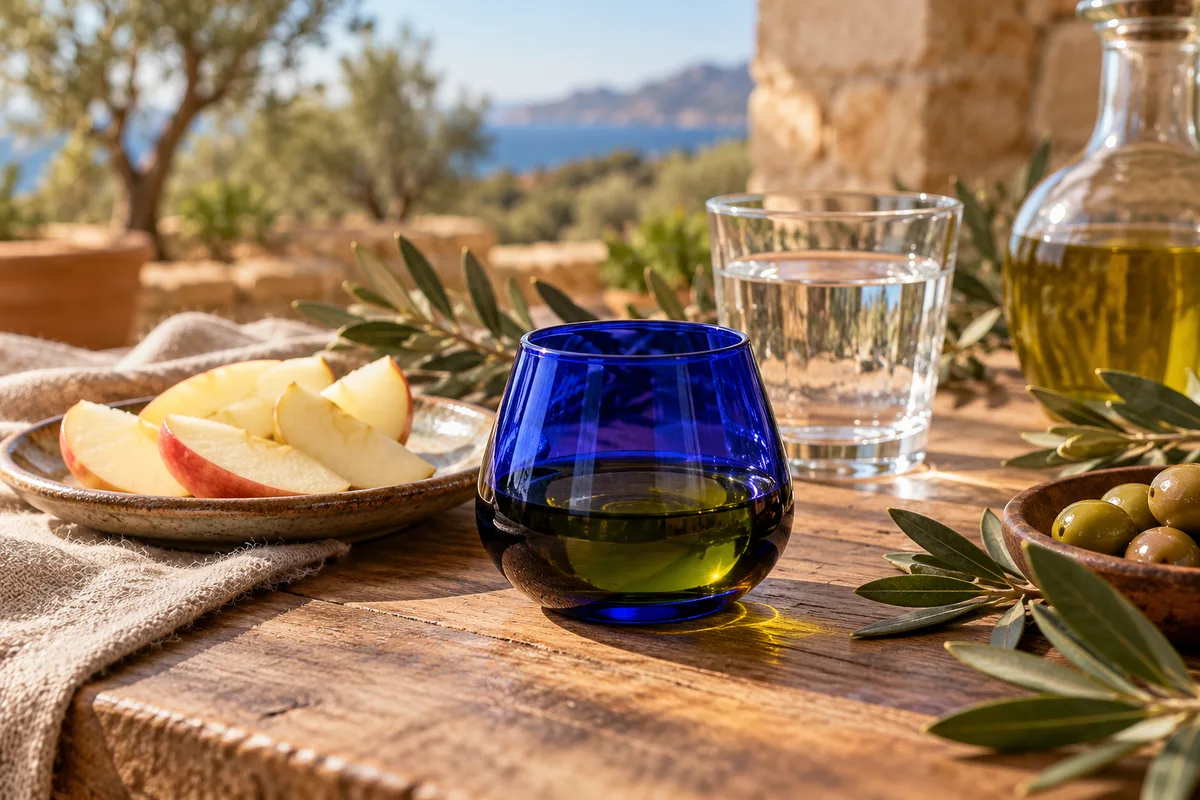
An olive oil tasting is easier than it sounds – and it is worth it: you learn about aromas, recognise quality and find the oil you like best. All you need is two or three oils, small glasses and some white bread.
What you need
- Two to three different extra virgin olive oils
- Small glasses (for example shot glasses)
- White bread and water to neutralise the palate between oils
- Pen and paper for notes
Step 1: Warm and smell
Put a mouthful of oil in the glass and cup it in both hands so it warms slightly. Then hold your nose over the glass and breathe in deeply. Fresh oil smells of grass, green fruit or almond.
Step 2: Slurp
Take a small sip and draw in air as you do, so the aroma spreads through the mouth. It sounds odd, but it is the classic tasters' method.
Step 3: Judge fruit, bitterness and pungency
Pay attention to three things: the fruitiness, a slight bitterness on the tongue and the pungency, which is often only felt in the throat. The last two are not a flaw but a sign of quality, as we explain in our article on recognising good olive oil.
A suggestion for a Mallorcan tasting
Try two oils one right after the other and note your impressions:
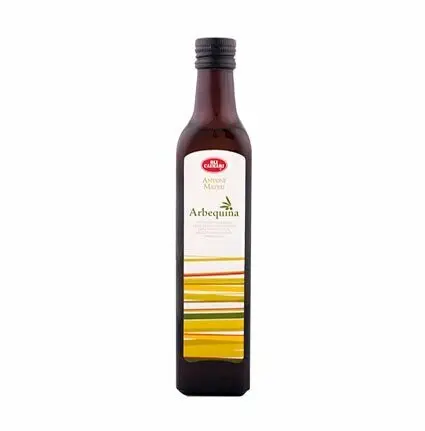
- Arbequina Extra Virgin Olive Oil (500 ml): made from Arbequina olives, good raw and for Mediterranean cooking.
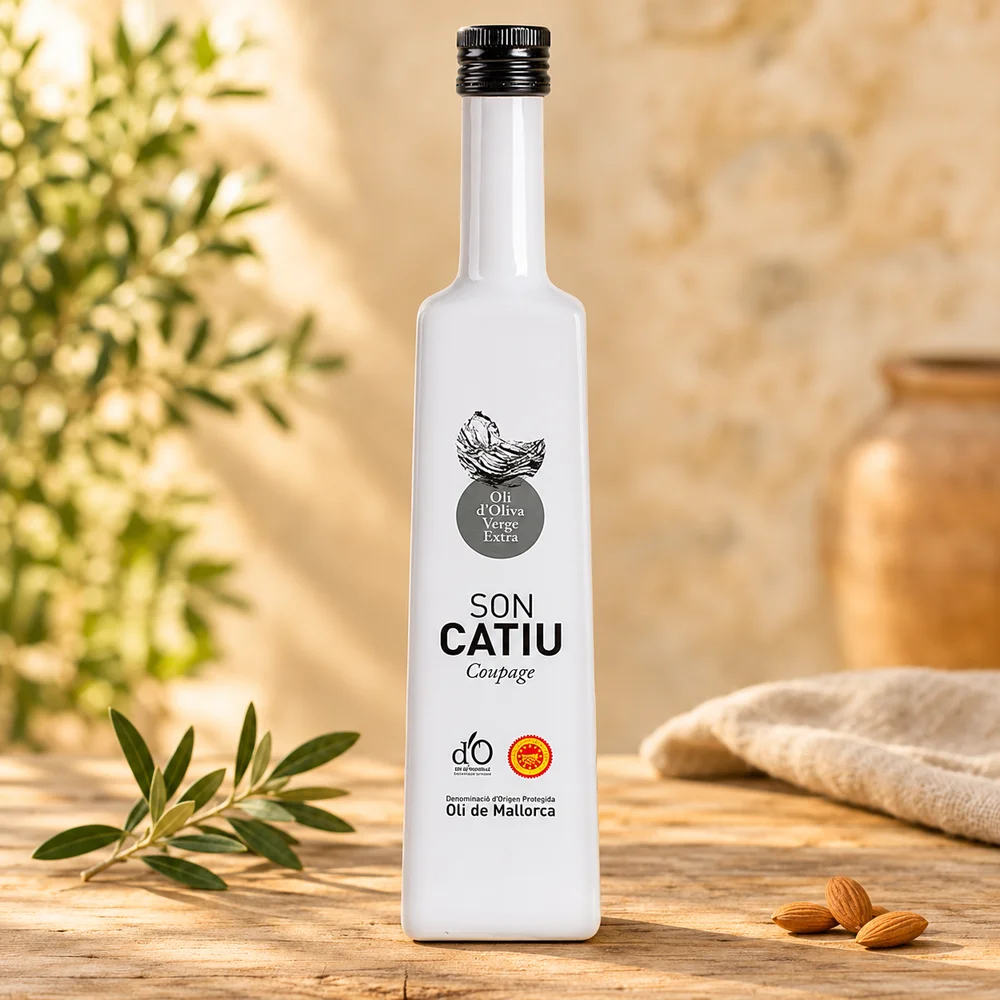
- Antoni Mateu Olive Oil Coupage (250 ml): a coupage of Picual, Mallorquina, Arbequina and Cornicabra from the new harvest, with a fruity profile and a slightly pungent finish.
We explain the differences between the varieties in detail in the comparison of Arbequina and Picual.
And afterwards?
The nicest tasting is the one with bread: dip a piece of white bread in the oil, add a pinch of salt and you are in the middle of Mallorcan pa amb oli. You will find all the oils under olive oil from Mallorca.
What to look for when judging
- Aroma: green, grassy, almond, tomato leaf or artichoke are positive; musty or rancid is a defect.
- Taste: fruity, balanced, with a pleasant finish.
- Bitterness: slight to medium bitterness is a quality feature.
- Pungency: a scratch in the throat points to polyphenols; it should stay pleasant.
How many oils to taste?
Two to four oils are ideal. More tires the palate. Between oils, a piece of white bread and a sip of water help neutralise the taste.
Typical tasting mistakes
- Tasting too many oils at once.
- Tasting straight after strong coffee or spicy food.
- Not labelling the oils and later forgetting which was which.
A small tasting with friends
Set out two or three oils, label the glasses with letters and let everyone take turns saying which one they like best before you reveal which is which. Bread, ripe tomatoes and a little sea salt go well with it.
Bring Mallorca to your table
Products from Mallorca that go with this article, shipped across Spain and Europe.