

How to recognise good extra virgin olive oil: 6 things that matter
There are dozens of bottles on the shelf, all labelled “extra virgin” – and yet they taste completely different. So how do you recognise a really good extra virgin olive oil? These six signs will help you choose, whether you are shopping in a supermarket, from a producer or online.
1. The harvest year is on the bottle
Olive oil is a natural product and is most aromatic while it is fresh. A reliable producer therefore states the harvest year or season (“new harvest”, “Cosecha 2025/26”). A best-before date alone tells you little about how old the oil really is.
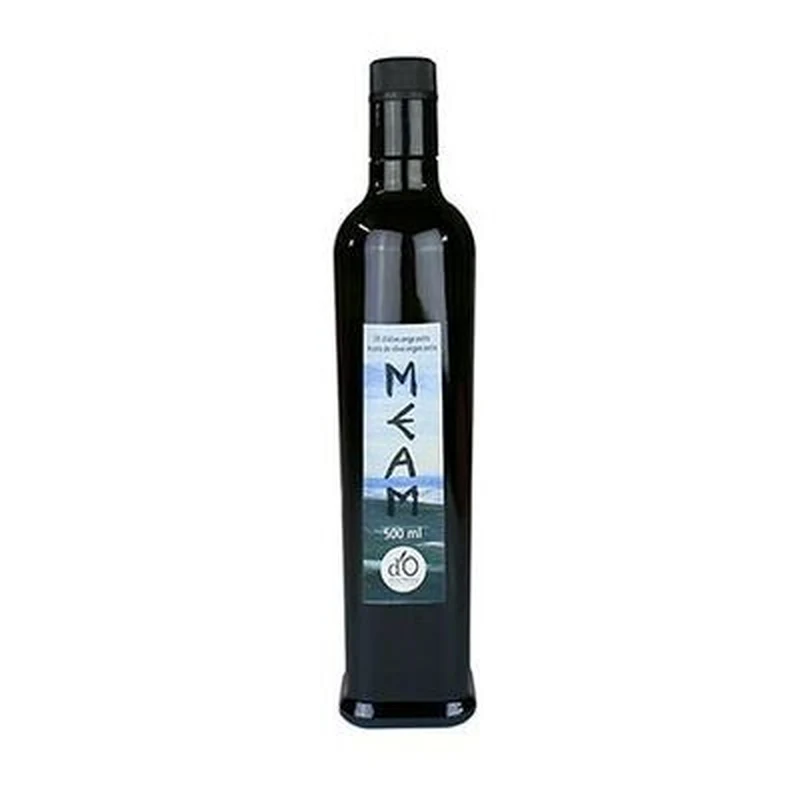
2. A dark bottle or light-protected container
Light makes olive oil age faster. Good oil is therefore bottled in dark glass, in tins or in stainless steel containers. Clear bottles on a sunny windowsill are a bad sign.
3. “Extra virgin” is the highest grade
The term “extra virgin olive oil” is legally regulated: the oil is obtained only by mechanical means, may contain no more than 0.8% free acidity and must be free of defects when tasted. How the oil is obtained is explained in our article on cold-pressed olive oil.
4. It smells and tastes fruity
Fresh oil smells of green fruit, grass, almond or tomato leaf. Musty, rancid or “greasy” notes, on the other hand, point to defects or old stock.
5. Bitterness and pungency are not flaws
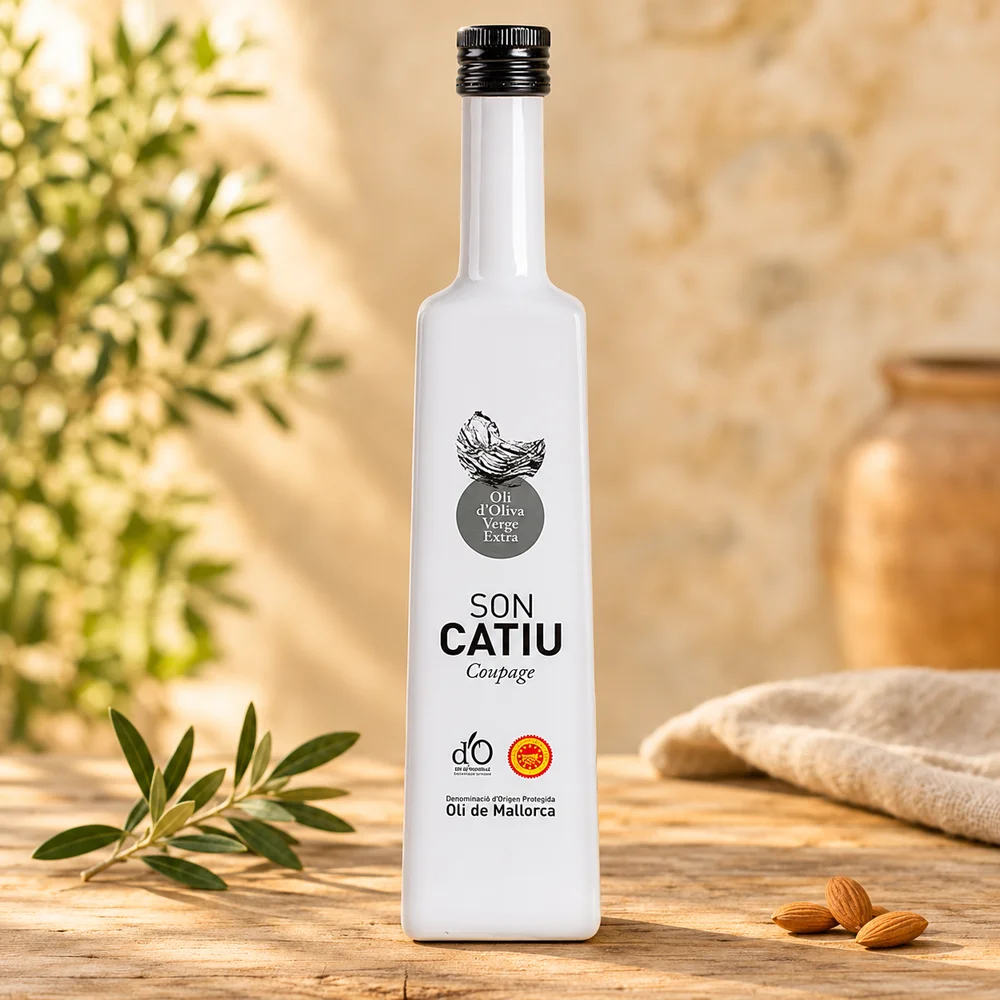
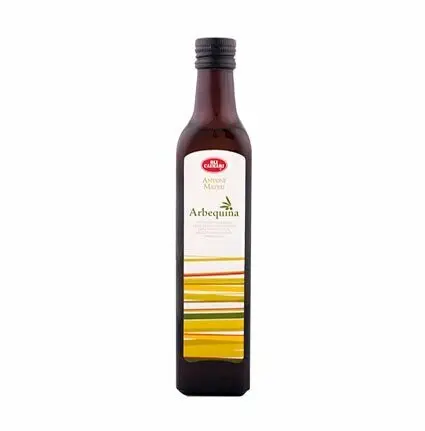
Many people are surprised: a slight scratch in the throat and a pleasant bitterness belong to a good oil. They come from polyphenols and show that the oil is fresh. Mild oils such as Arbequina are less pungent, while a coupage of several varieties can have a strong finish – more in the comparison of Arbequina and Picual.
6. The producer is known
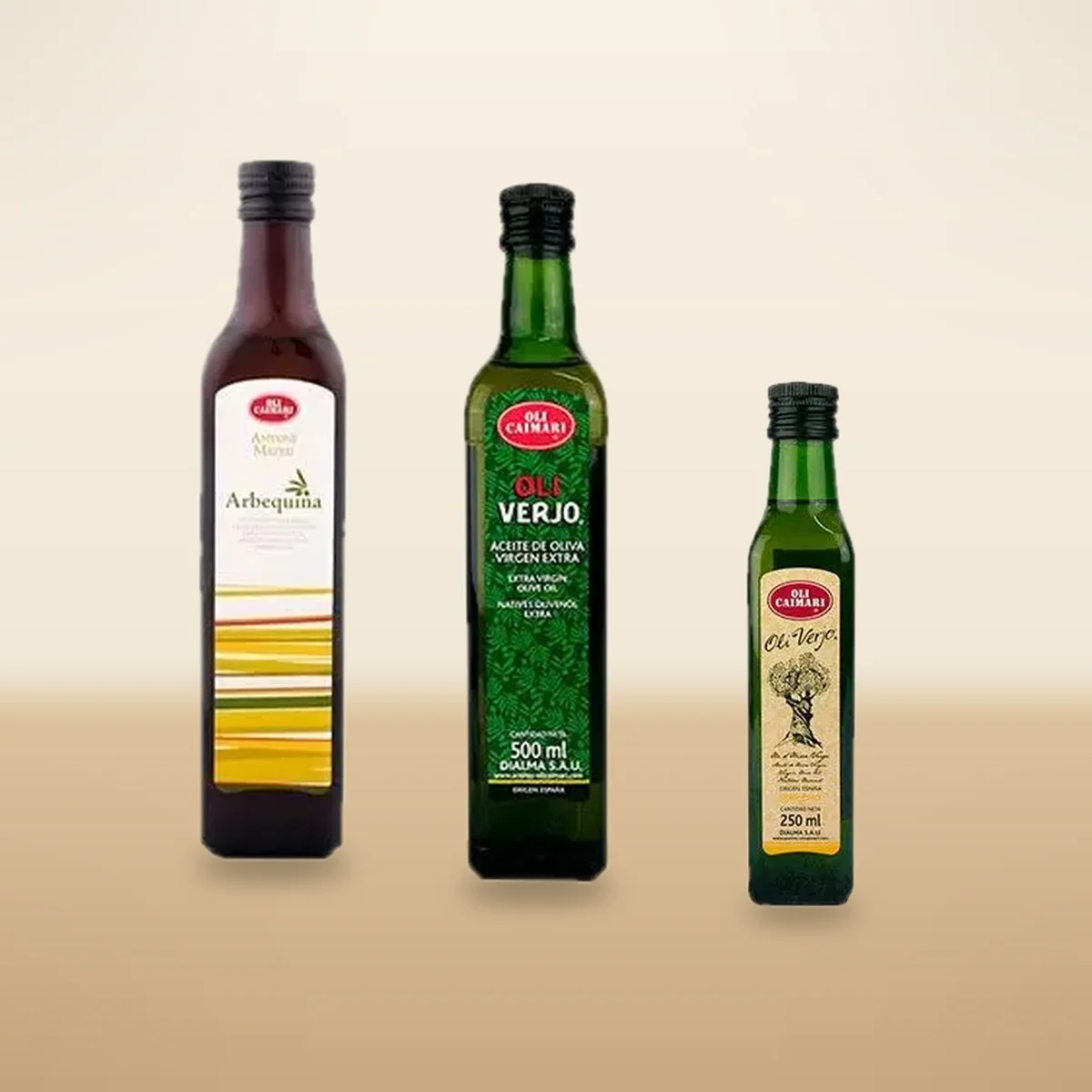
Small producers state their name, origin and varieties and answer questions about their oil. Many Mallorcan businesses work this way, for example Oli Caimarí from the Serra de Tramuntana or Antoni Mateu. You will find an overview under olive oil from Mallorca.
In short
- Harvest year stated
- Dark, light-protected packaging
- “Extra virgin” and a known producer
- Fresh, fruity smell, with no musty notes
- Slight bitterness and pungency are a good sign
If you want a mild oil for salad and bread, try the Arbequina Extra Virgin Olive Oil (500 ml). For a stronger taste, the Antoni Mateu Olive Oil Coupage (250 ml) from the new harvest is a good fit.
Common misconceptions
- “Light” olive oil: This refers to the mild taste, not fewer calories. Calories are practically the same in all oils.
- The fridge test: Whether genuine olive oil solidifies in the fridge is not a reliable proof of quality.
- “The greener the better”: Colour says little about quality; tasters therefore use dark glasses.
- “The more pungent the better”: Pungency is a feature of certain varieties, not a measure of quality. A mild oil can be just as good.
Good or bad? A quick comparison
- Good: harvest year, named producer, dark packaging, fresh, fruity aroma.
- Bad: no information on origin and harvest, musty or waxy smell, clear bottle in the window.
When in doubt: taste
Tasting is the most reliable method. We explain how in a separate article on tasting at home.
Bring Mallorca to your table
Products from Mallorca that go with this article, shipped across Spain and Europe.