

Olive oil and health: what polyphenols really do
The health benefits of extra virgin olive oil are well documented scientifically. The main reason: polyphenols, the natural antioxidants found in freshly pressed olives. But not every olive oil contains the same amount of them — quality makes an enormous difference.
Which olive oil suits you?
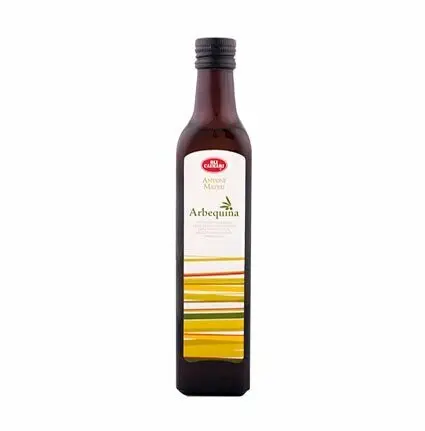
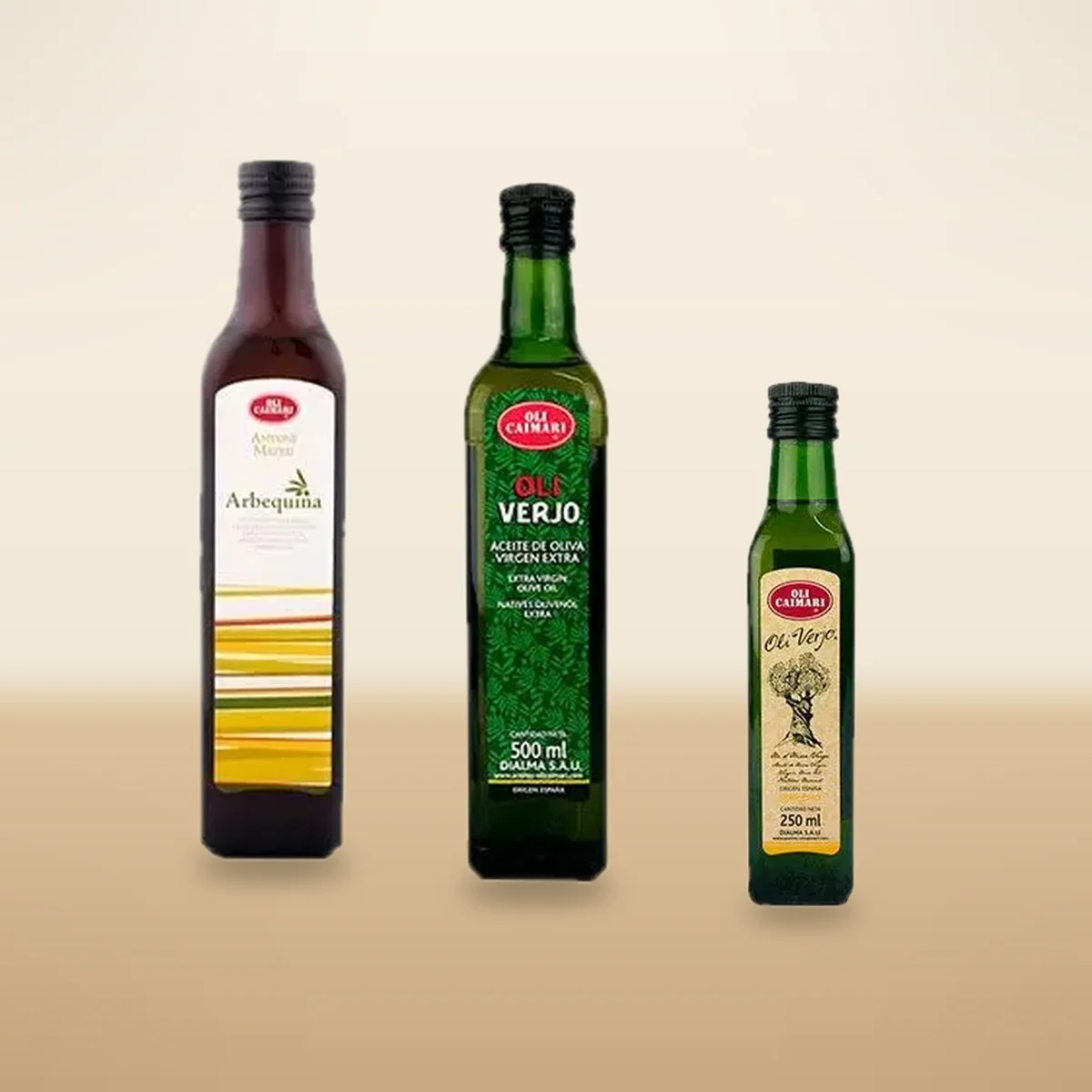
- Arbequina 500 ml – mild and good for every day
- Oli Verjo 500 ml – more intense and robust
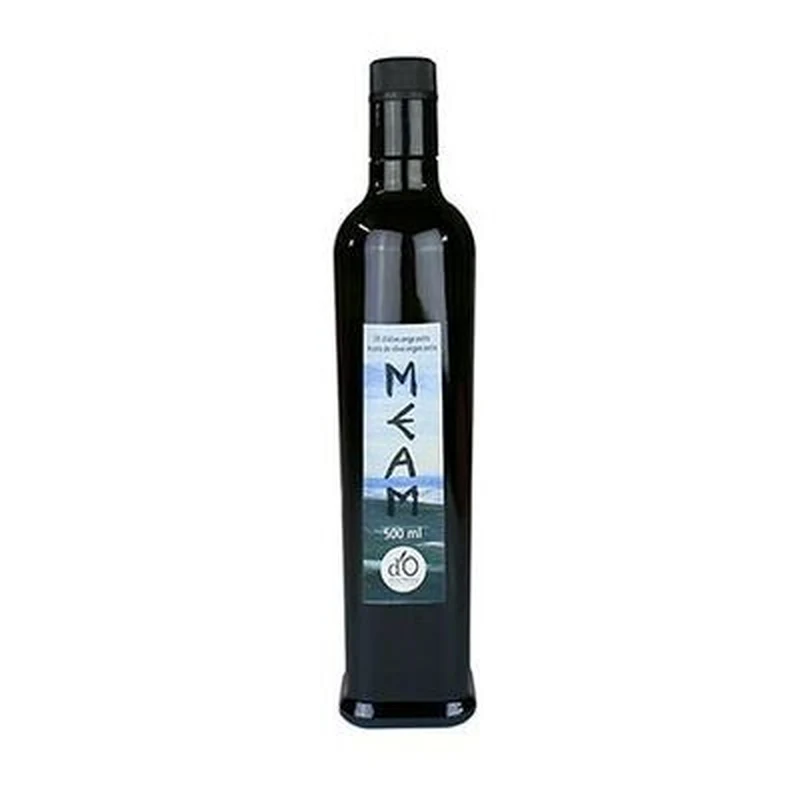
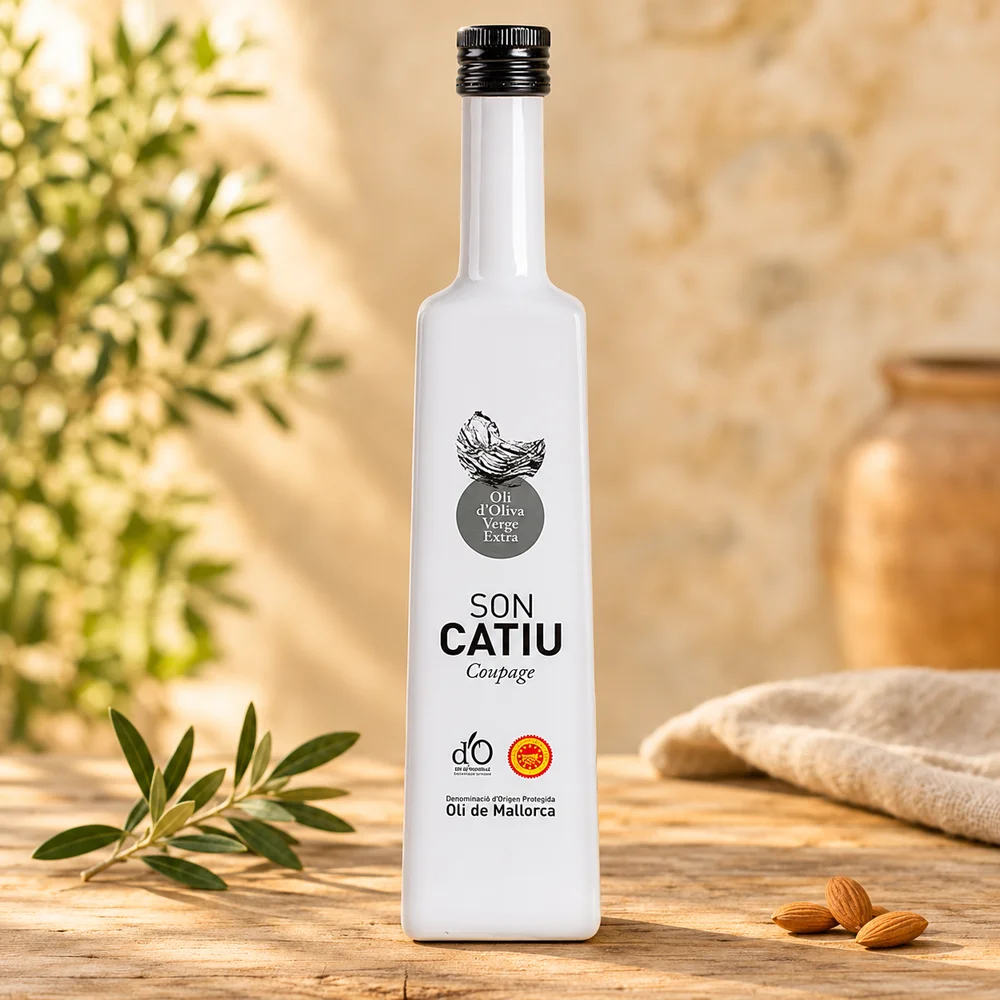
- Antoni Mateu Coupage – the premium choice
Safely packed, quickly shipped and ideal as a gift or for your Mediterranean kitchen at home.
What are polyphenols?
Polyphenols are plant compounds found in many foods such as berries, green tea, dark chocolate and olives. In olive oil the most important ones are oleocanthal, oleuropein, hydroxytyrosol and tyrosol. In the body these compounds act as antioxidants, meaning they protect cells from oxidative stress caused by free radicals.
What does the research say?
The PREDIMED study, one of the largest nutrition studies ever, with over 7,000 participants, found that a Mediterranean diet rich in extra virgin olive oil was associated with a reduced risk of major cardiovascular events. Other studies link regular consumption of polyphenol-rich olive oil with:
- An improved blood lipid profile (higher HDL, lower LDL oxidation)
- Reduced systemic inflammation (measurable in CRP)
- A possible protective effect against neurodegenerative disease
- Support for the immune system through antioxidant activity
Not every olive oil is equally rich in polyphenols
This is the decisive difference between a supermarket olive oil and an artisan Mallorcan EVOO. Polyphenols are delicate and are lost through:
- Heat during extraction (which is why cold pressing matters)
- Storage time (polyphenol content falls as the oil ages)
- Light and oxygen (which is why dark bottles or tins are better)
- Late harvest (early-harvest oils can have several times more polyphenols)
The Oli Verjo 500 ml, a Mallorcan early-harvest oil, is especially interesting from this point of view: harvested early, cold extracted and labelled with the current harvest year.
Practical tip: when and how to eat olive oil for the most benefit?
You benefit most from the polyphenols when you use the oil cold: as a dressing, as a finishing oil, on bread. When cooking (frying, stews) some heat-sensitive compounds are lost, but the heat-stable antioxidants, especially in Picual, are largely retained. Even a heated good EVOO is nutritionally better than an industrially refined vegetable oil.
Bring Mallorca to your table
Products from Mallorca that go with this article, shipped across Spain and Europe.